Why Streak-Free Windows Require More Than Just DIY Cleaning
Window Cleaning
Share:
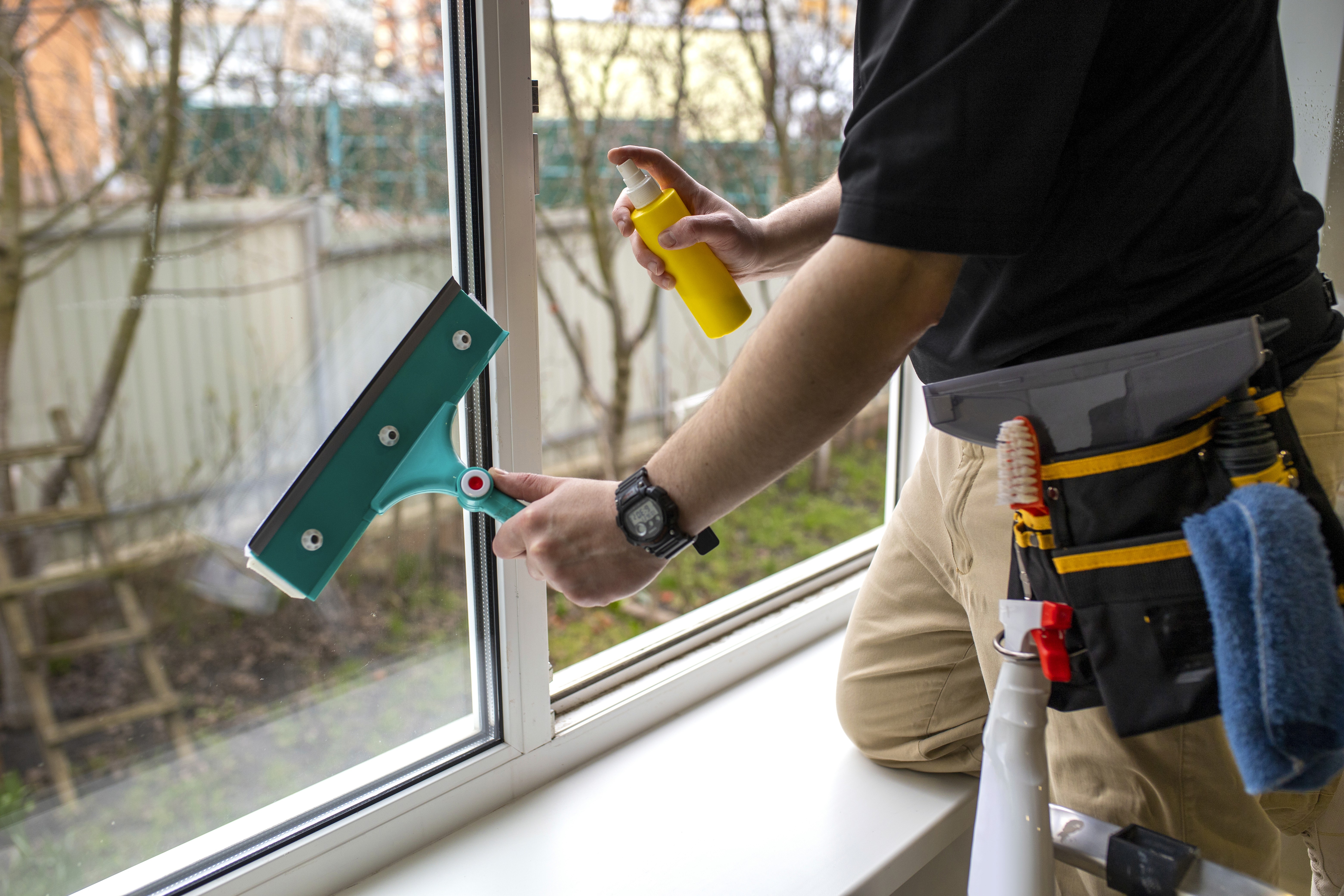
Everyone loves the look of freshly cleaned windows—until the sunlight hits them and reveals streaks, smudges, and lint that seemed invisible before. Many homeowners spend hours scrubbing glass only to end up with disappointing results.
If you’ve ever wondered why streak-free windows require more than just DIY cleaning, you’re not alone. While store-bought products and homemade solutions can remove some dirt, achieving truly spotless glass requires the right tools, techniques, and attention to detail.
The good news is that understanding why DIY methods fall short can help you decide when a simple home cleaning is enough and when it’s worth calling in professionals for a flawless finish.
Why DIY Window Cleaning Often Falls Short
Cleaning windows seems simple, but several common mistakes can leave behind streaks even when the glass appears clean at first.
Using the Wrong Cleaning Solution
Many DIY recipes recommend mixing vinegar, dish soap, or even essential oils with water. While these mixtures may remove light dirt, they often leave behind residue if they’re not properly diluted or completely wiped away.
Some commercial products can cause the same problem. Too much glass cleaner or an overly concentrated cleaning solution may dry unevenly and create visible streaks.
Finding the right balance takes more precision than many people expect.
Paper Towels Leave More Than They Remove
Many homeowners instinctively reach for paper towels, but they’re one of the biggest reasons windows don’t turn out perfectly.
Paper towels can:
Leave lint behind
Spread residue instead of removing it
Break apart on wet glass
Create uneven drying patterns
Even high-quality paper towels often leave tiny fibers that become visible in bright sunlight.
Poor Cleaning Technique
Technique matters just as much as the products you use.
Common DIY mistakes include:
Spraying too much cleaner
Cleaning windows in direct sunlight
Wiping in random circles
Allowing cleaner to dry before removing it
These habits make it much easier for window streaks to appear after the glass dries.
The Right Tools Make All the Difference
Professional results depend heavily on using the proper equipment.
Microfiber Cloths Outperform Paper Towels
A quality microfiber cloth lifts dirt instead of simply pushing it around.
Unlike paper towels, microfiber is designed to:
Capture dust
Absorb moisture evenly
Leave minimal residue
Reduce lint
For best results, use a clean, dry microfiber cloth during the final polishing step.
Choose Lint-Free Materials
Professionals rely on lint free cloths because every fiber left behind can become visible once sunlight shines through the glass.
Even a slightly dirty towel can transfer dust and oils back onto the window.
Using a fresh clean cloth for each stage of the cleaning process helps prevent this problem.
Don’t Oversaturate the Glass
Many people use far too much cleaner.
A simple spray bottle should apply a light, even mist across the glass rather than soaking the surface.
Excess liquid takes longer to remove and increases the chance that residue will dry before it is wiped away.
Homemade Solutions Aren’t Always Better
Many homeowners prefer a homemade window cleaner because it’s inexpensive and uses common household ingredients.
While these recipes can work for lightly soiled windows, they don’t always remove:
Hard water spots
Air pollution residue
Tree sap
Grease
Mineral deposits
Homemade mixtures also vary widely in concentration, making consistent results difficult to achieve.
Professional-grade products are formulated specifically to evaporate cleanly while minimizing residue.
The Science Behind Window Streaks
Understanding why streaks form helps explain why cleaning windows can be surprisingly difficult.
Residue Is Often Invisible
Glass may look clean immediately after wiping, but microscopic residue often remains.
This residue can come from:
Previous cleaners
Soap
Oils from fingerprints
Airborne pollutants
Pollen
Dust
As the moisture evaporates, these tiny particles become much more noticeable.
Hard Water Creates Mineral Deposits
Water itself can also be the problem.
In many areas, tap water contains dissolved minerals that remain on the glass after drying.
These mineral deposits create hazy spots that ordinary cleaning cannot easily remove.
Professional equipment and specialized cleaners are often needed to eliminate stubborn buildup.
Improper Drying Causes More Streaks
One of the biggest reasons homeowners struggle to achieve streak free windows is uneven drying.
If sections of the window dry before they’re wiped completely, leftover cleaner and minerals become visible.
Temperature, humidity, and sunlight all influence how quickly this happens.
Professional Techniques Deliver Better Results
Professional window cleaners don’t simply work harder—they use proven methods that consistently produce a streak free finish.
Specialized Equipment
Professionals often use equipment designed specifically for glass cleaning, including:
Professional squeegees
Extension poles
Purified water systems
Commercial-grade cleaning products
High-quality microfiber towels
These tools reduce residue while making it easier to clean large windows evenly.
Consistent Wiping Patterns
Instead of wiping in circles, professionals use controlled, overlapping strokes.
This technique:
Prevents missed areas
Removes moisture evenly
Reduces residue
Makes imperfections easier to spot before the glass dries
Small details like wiping edges separately can make a noticeable difference.
Less Cleaner Is Often Better
Many DIY cleaners assume that more product leads to better results.
In reality, professionals use only the amount needed to loosen dirt without creating excess residue.
This controlled approach helps produce beautifully clean windows with fewer streaks.
The Benefits of Professional Window Cleaning
Hiring professionals offers advantages beyond appearance.
Consistently Better Results
Professional equipment and experience make it much easier to achieve crystal-clear, streak-free glass on every visit.
Instead of repeating the job multiple times, homeowners enjoy reliable results the first time.
Save Time and Effort
Window cleaning can quickly become a time-consuming project, especially for homes with multiple stories or large glass surfaces.
Professional services complete the work efficiently while eliminating the frustration of repeated cleaning attempts.
More Natural Light
Sparkling windows allow more sunlight into your home.
Increased natural light can make rooms feel:
Brighter
Larger
Cleaner
More welcoming
It’s a simple improvement that enhances everyday living.
Improve Your Home’s Appearance
Clean windows contribute to better curb appeal and a more polished overall appearance.
When combined with services like exterior cleaning or pressure washing, professionally cleaned windows help the entire property look fresh and well maintained.
When DIY Makes Sense
DIY cleaning still has its place.
Touch-ups between professional cleanings, removing fingerprints, or cleaning small interior windows can usually be handled with the right products and proper technique.
However, for difficult stains, large exterior windows, second-story glass, or homes affected by hard water, professional cleaning often provides noticeably better results while saving considerable time.
Conclusion
Achieving spotless windows isn’t simply about spraying cleaner and wiping the glass. The right products, tools, techniques, and drying methods all work together to create lasting results.
Understanding why streak-free windows require more than just DIY cleaning helps explain why even careful homeowners often struggle with lingering streaks and haze. Professional window cleaners use specialized equipment, proven techniques, and high-quality materials to deliver a true streak free finish that is difficult to achieve with household supplies alone.
If you’re tired of battling window streaks every time you clean, investing in professional window cleaning can leave your home brighter, clearer, and looking its absolute best.


Sign up for blog updates!
Join our email list to receive updates and information.
